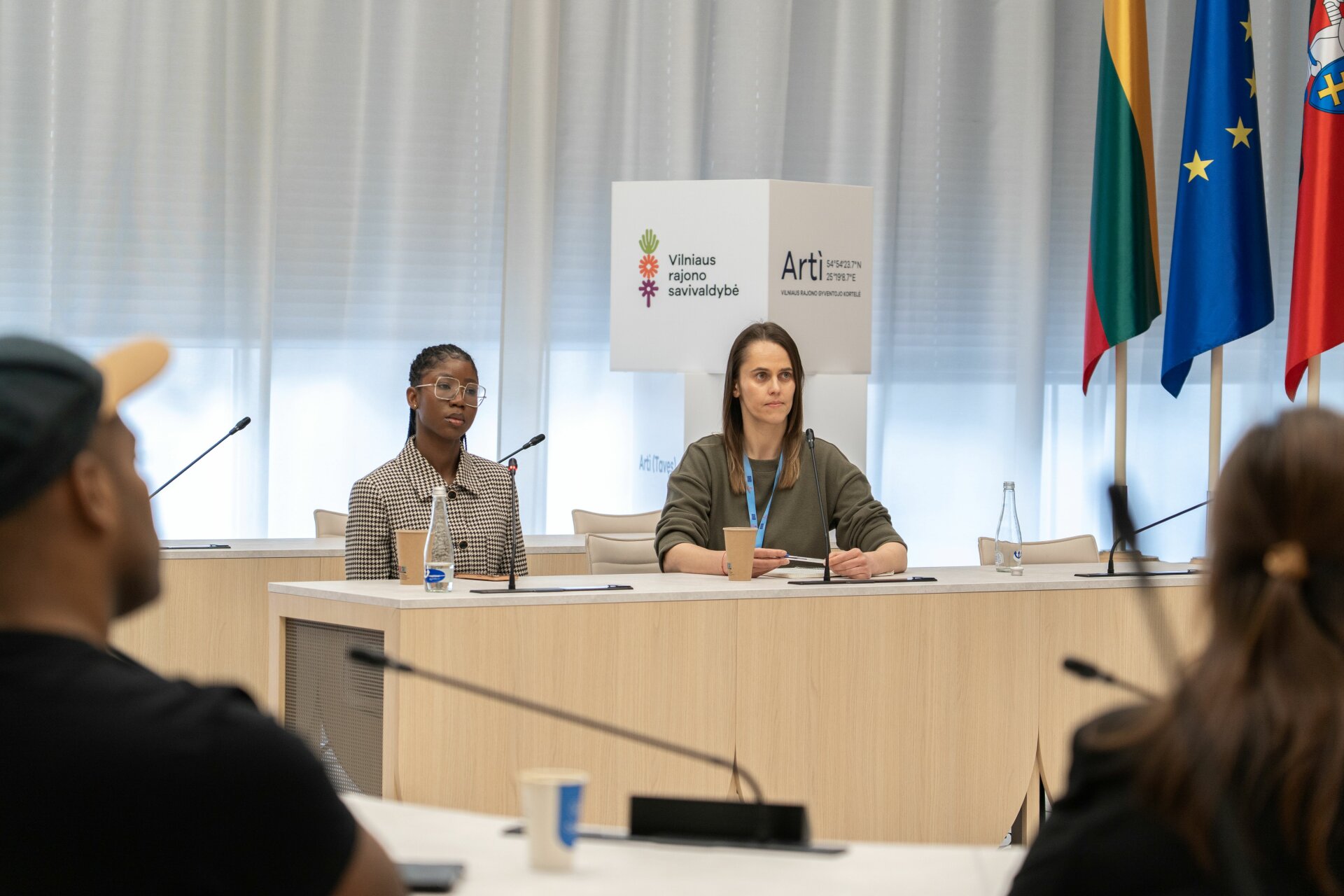
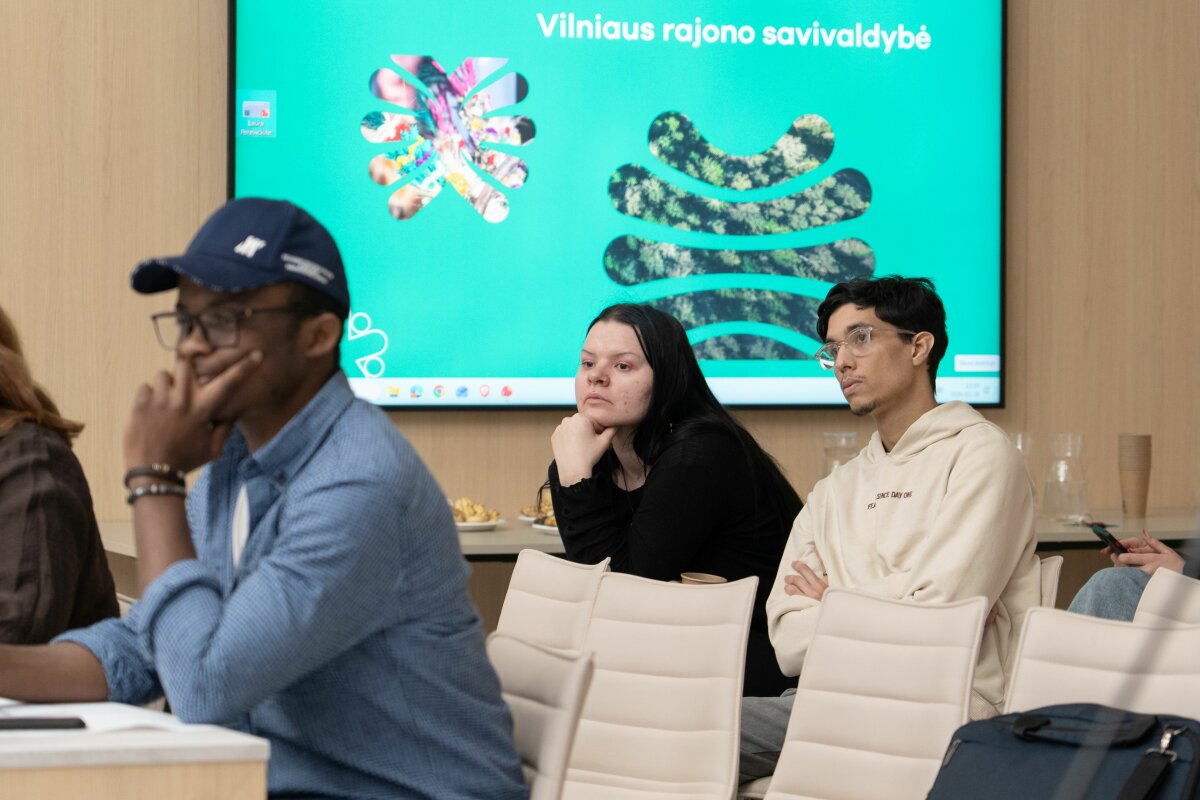
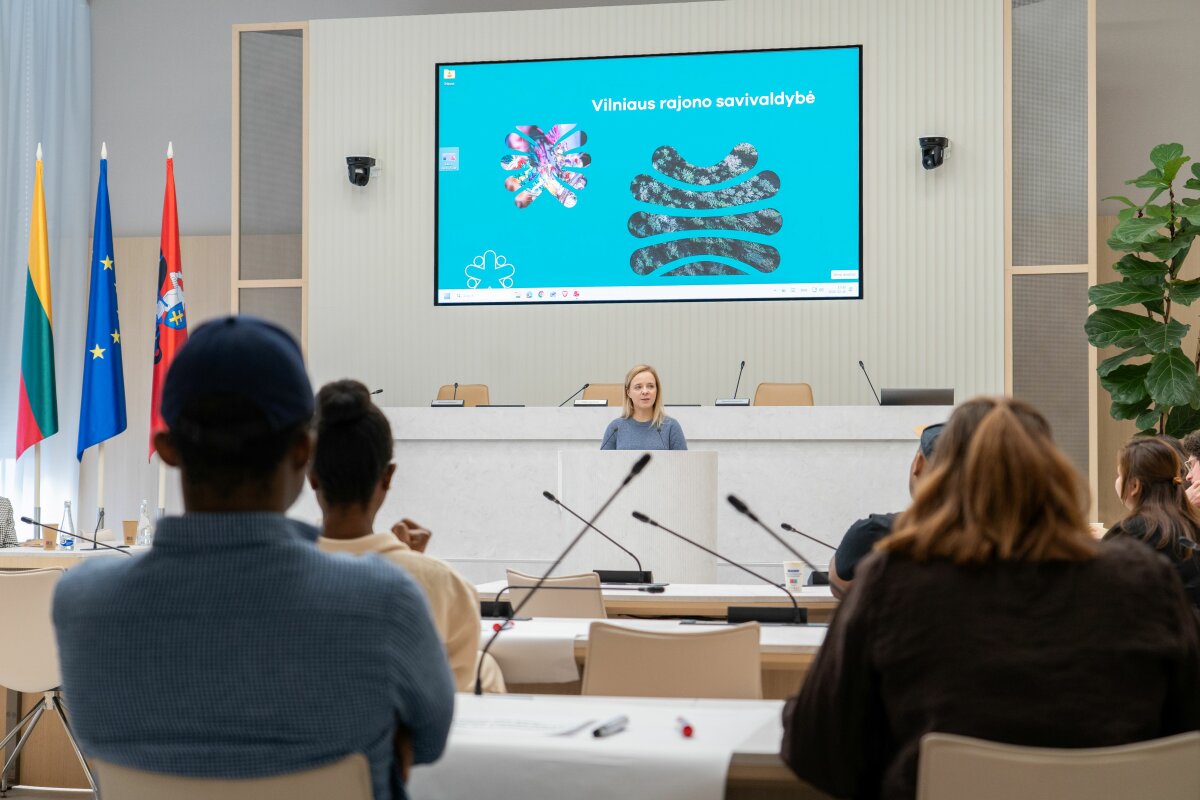
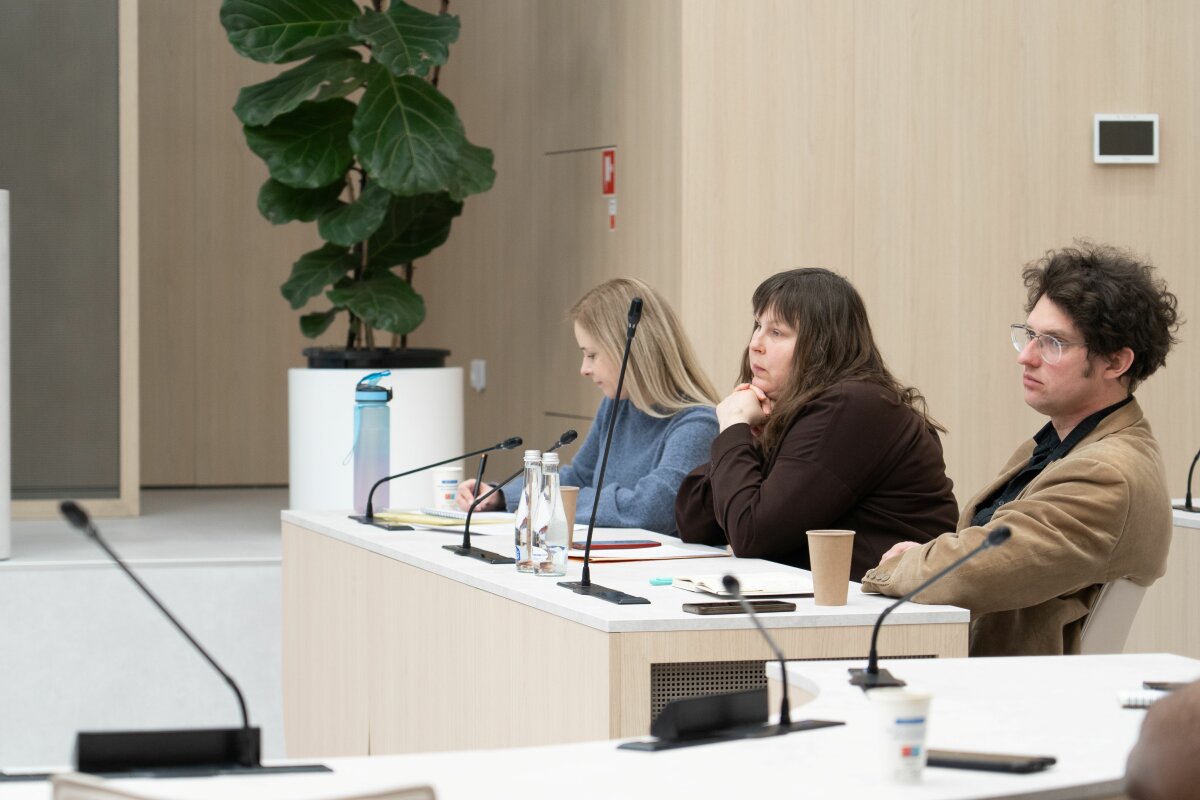
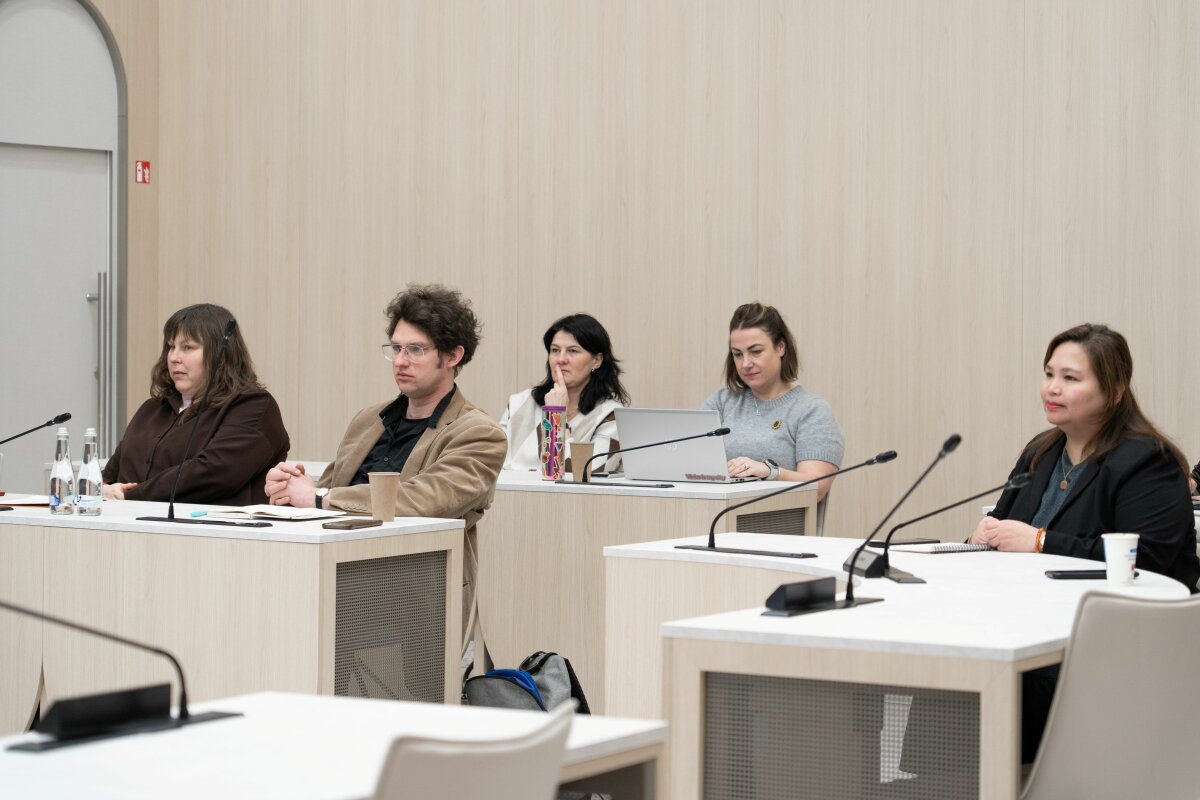
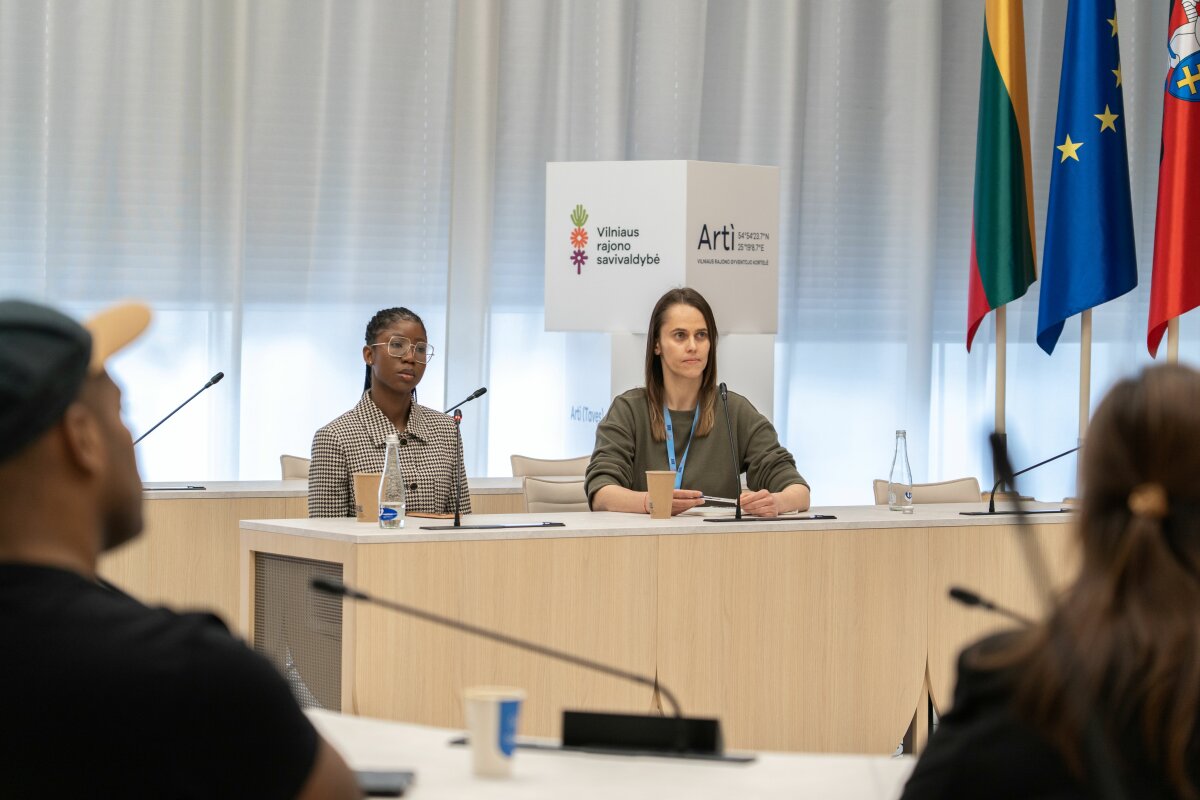
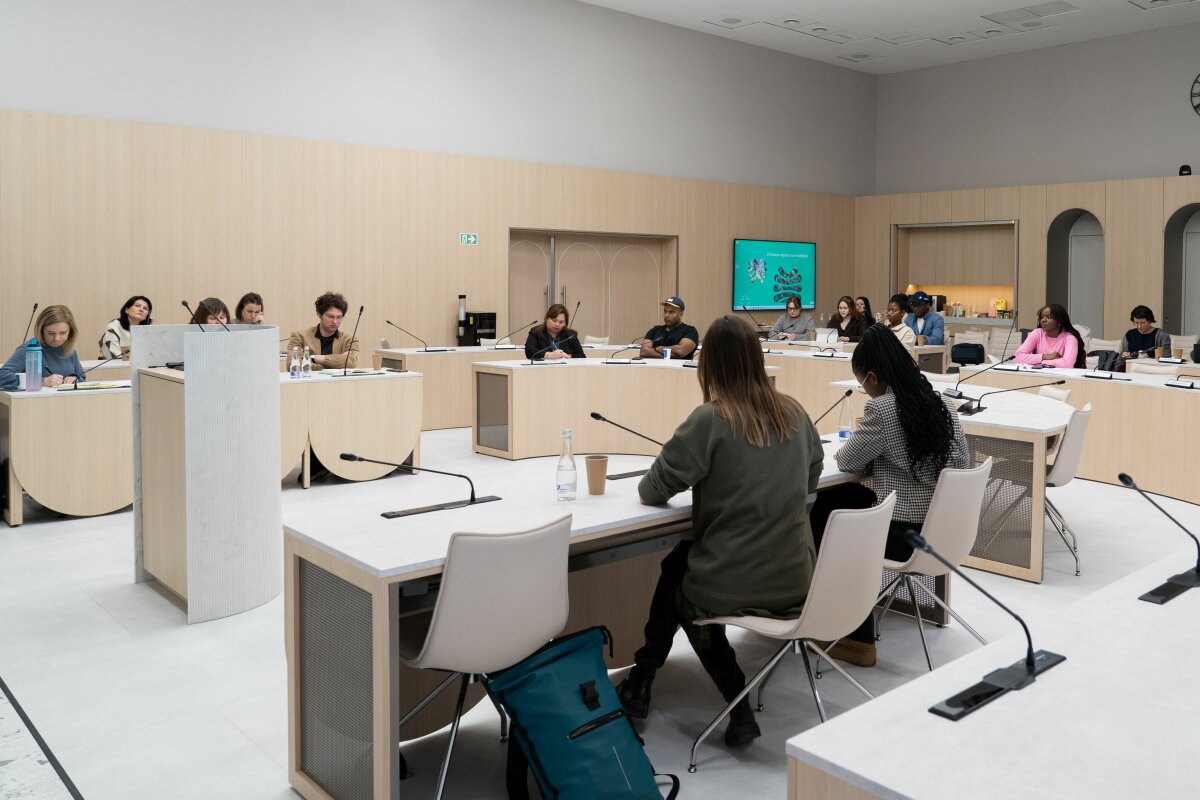
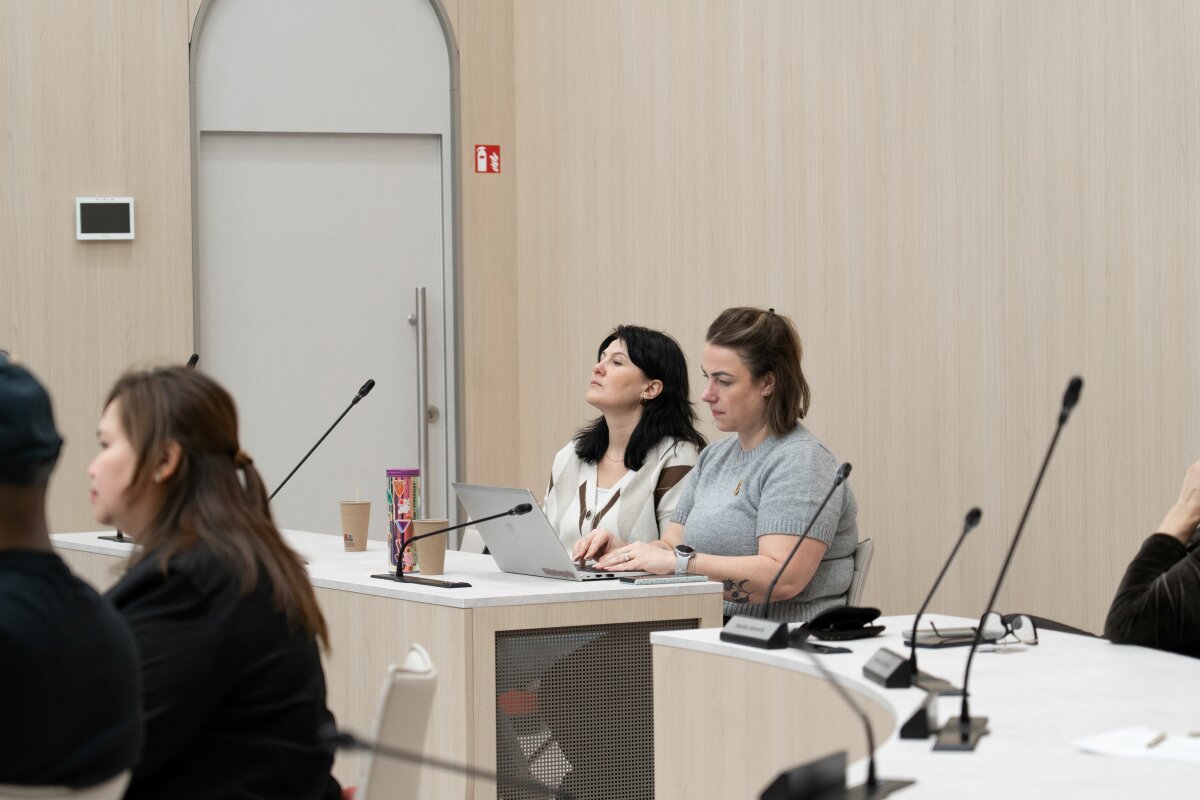
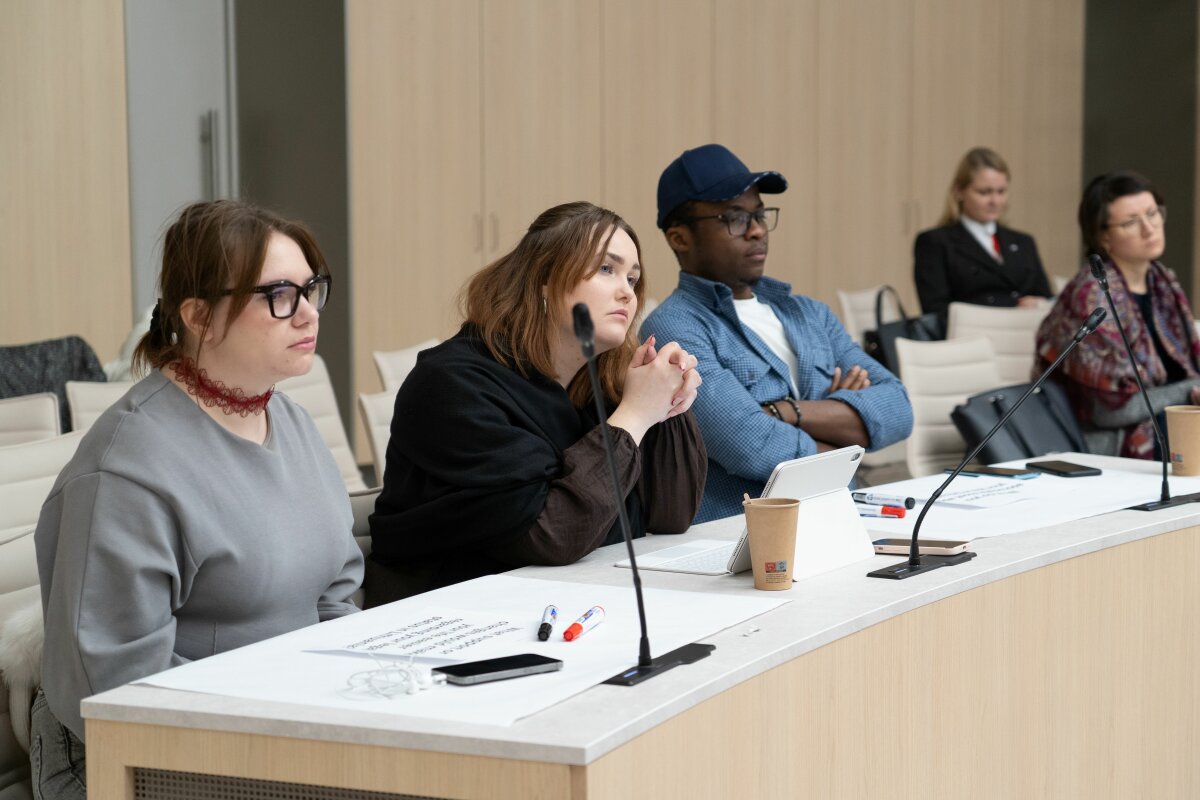
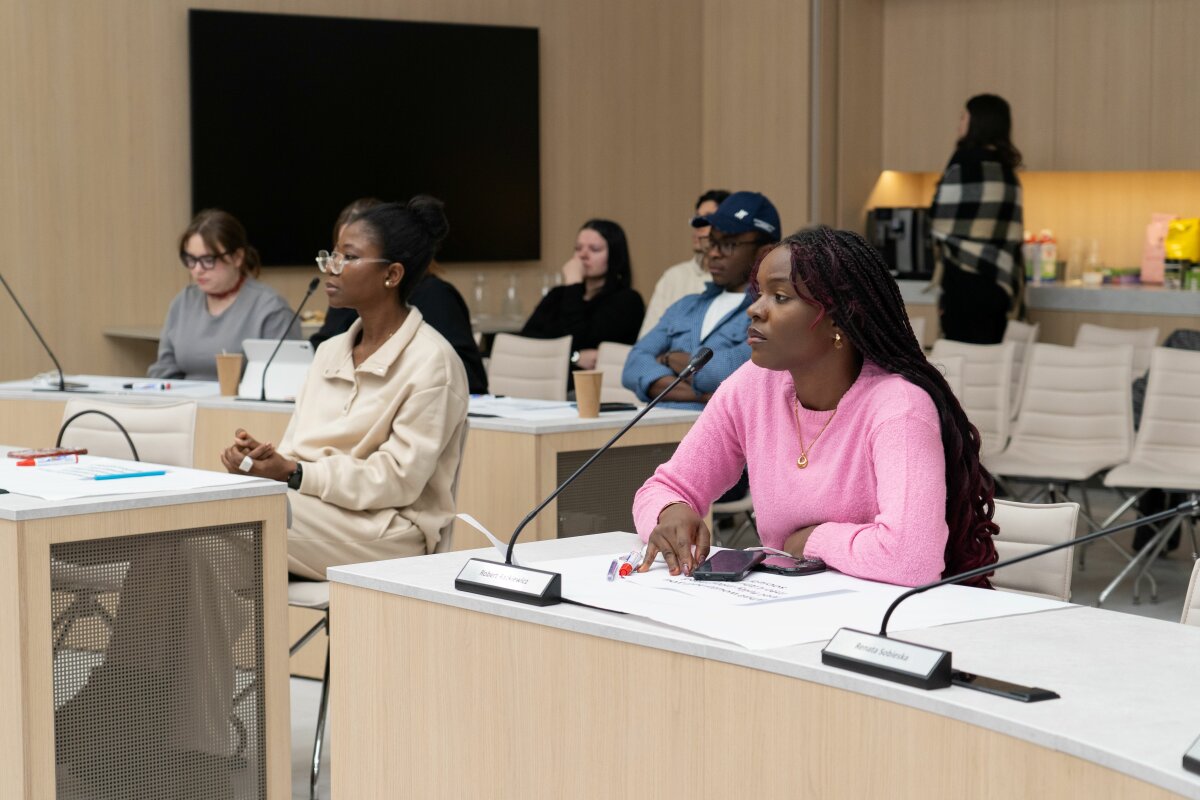
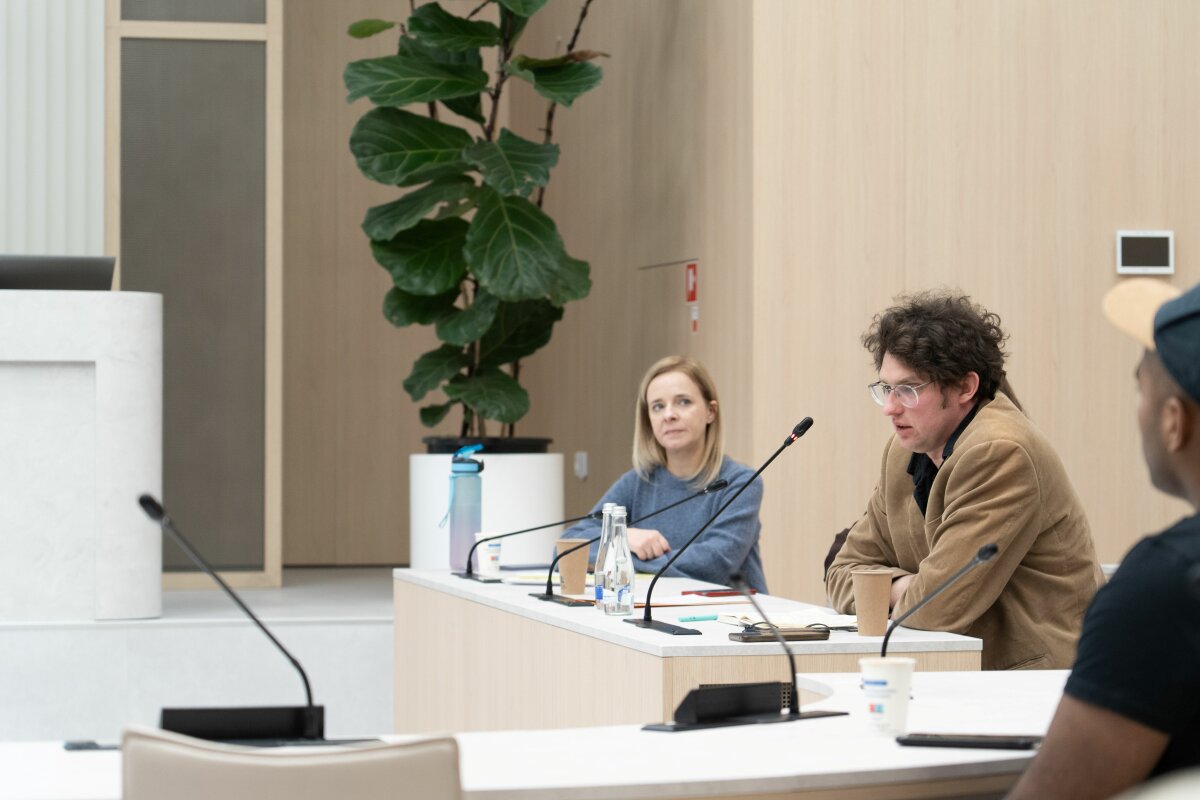
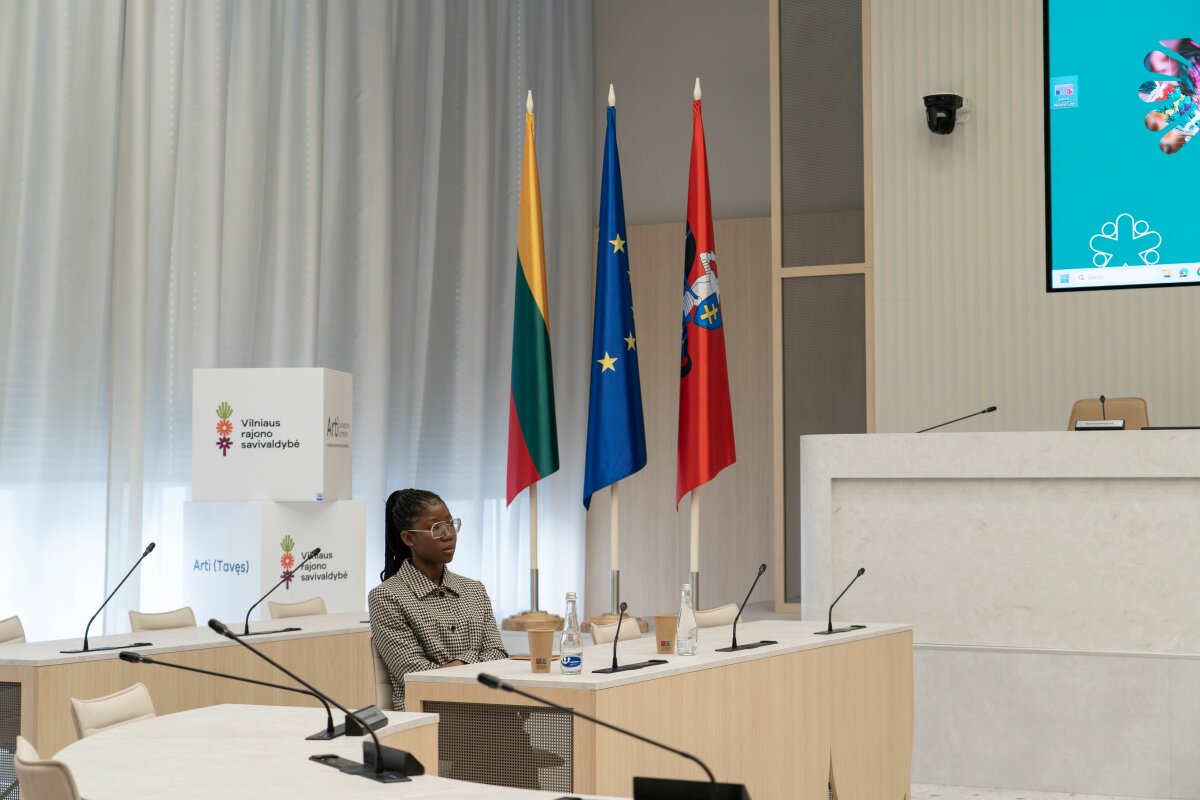
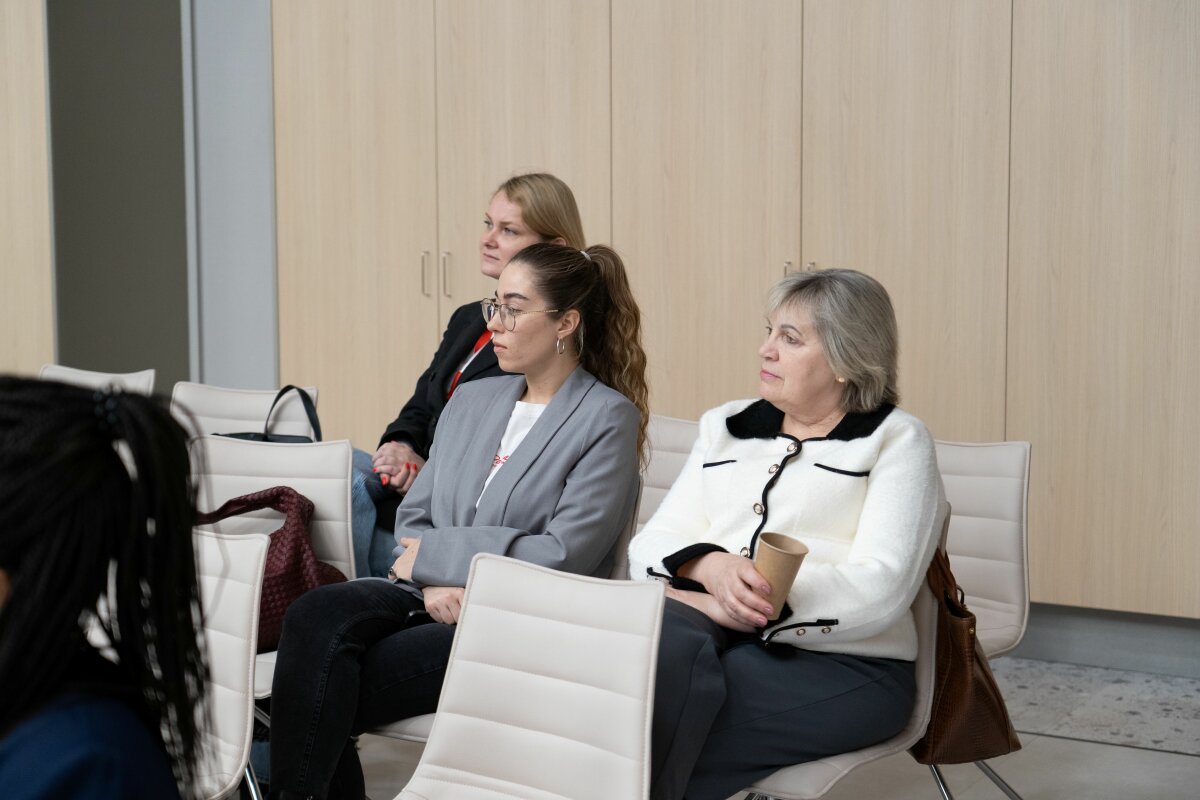
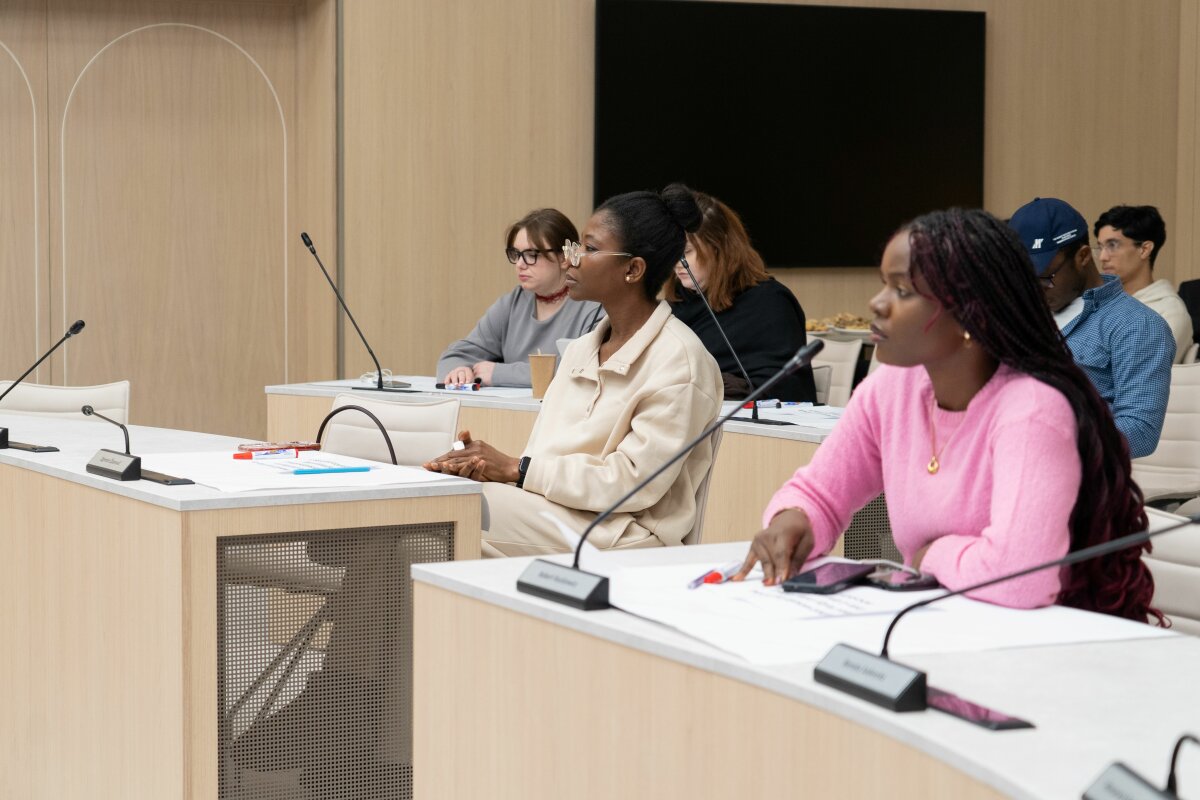
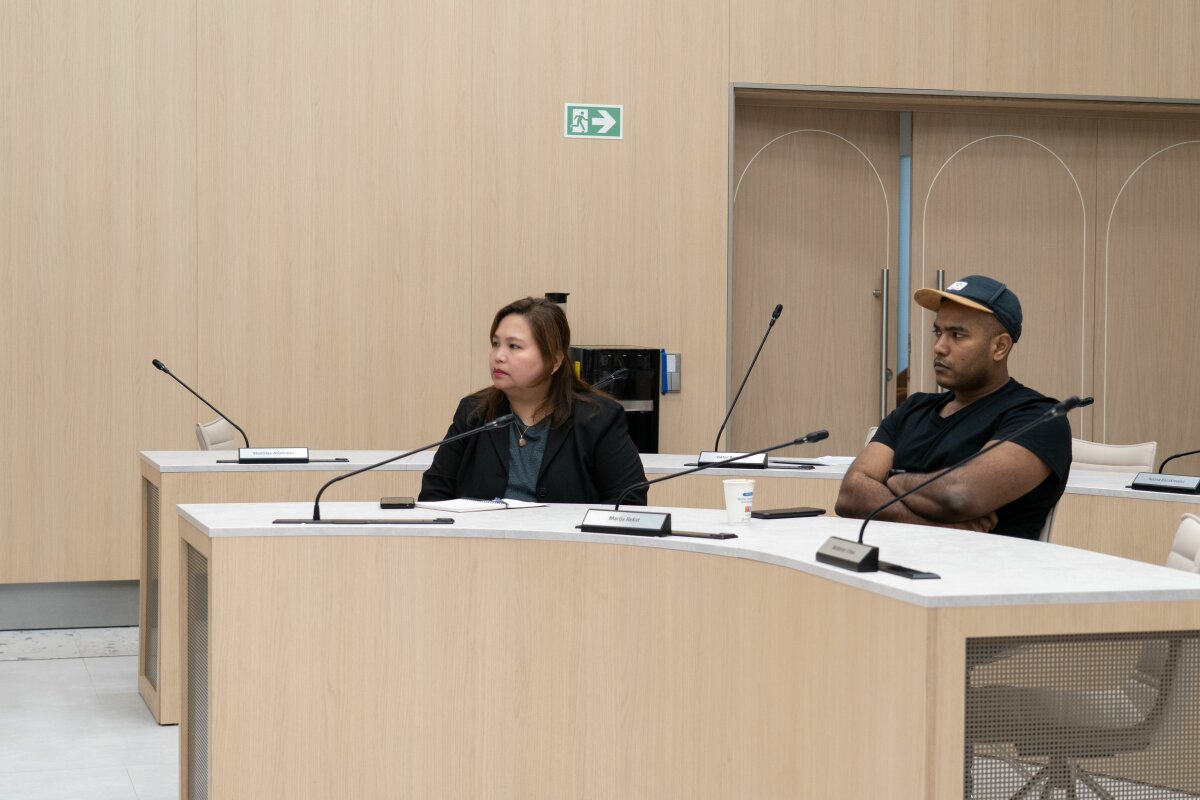
On Thursday, 26 February, a discussion entitled “Migration and Integration Policy in Lithuania: Trends, Good Practices, and Required Solutions” took place at the Administration of Vilnius District Municipality. The central focus of the event was open dialogue: foreign-born residents of Vilnius District had the opportunity not only to hear first-hand about planned policy changes, but also to pose questions directly to representatives of the Ministries of the Interior and Social Security and Labour of the Republic of Lithuania, the municipal administration, as well as non-governmental and other organisations.
In her welcoming remarks, Vida Montvydaitė, Advisor to the Mayor of Vilnius District Municipality, Robert Duchnevič, emphasised Lithuania’s evolving role in the international context. Having long been a country of emigration, Lithuania is now increasingly becoming a destination of choice for foreign nationals.
“We understand that this transition brings new opportunities, but also poses certain challenges. Newcomers face specific difficulties, so we hope that this meeting will help them feel safer and more comfortable and encourage them to become more actively involved in community life," said V. Montvydaitė.
“This was the first meeting of its kind in Vilnius District, and its distinctiveness was best reflected in the diversity of participants – foreign-born residents who shared their experiences had arrived from nearly every continent. Such direct engagement allows us to better assess the real situation and jointly seek solutions that more effectively respond to newcomers’ needs and expectations,” stated Gabriela Mickevič-Jara, Integration Coordinator for Residents of Foreign Origin.
Entrepreneur Princess Benido, founder of OBA African Store, shared her personal success story and everyday realities. The woman, who has been living in Vilnius District for some time, highlighted her appreciation for the stability, security, and range of opportunities available in Lithuania. She noted that knowledge of the Lithuanian language is one of the key elements for achieving a fulfilling life and candidly identified the challenges encountered on the path toward smooth integration into the country’s daily life.
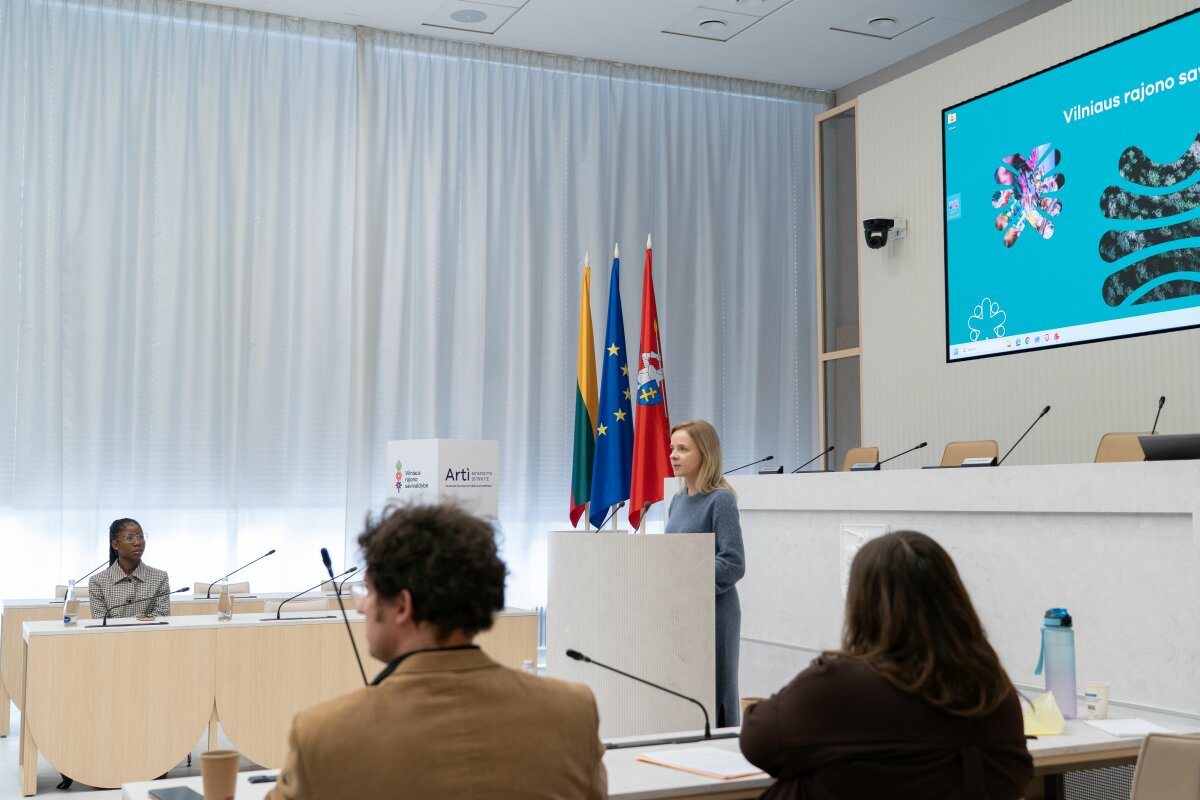
The policy changes currently under discussion were presented by Danutė Petrauskienė, Adviser at Migration Policy Group of the Ministry of the Interior. She outlined potential innovations relevant to labour market participants, students, and other groups of foreign nationals. Meanwhile, Mantautas Šulskus, Director of Sienos grupė, provided a more detailed overview of the practical challenges foreigners face when seeking to establish themselves in Lithuania and emphasised the importance of the non-governmental sector in delivering humanitarian and other forms of assistance. Laura Perevičiūtė, Head of Foreigners integration unit at Ministry of Social Security and Labour of the Republic of Lithuania, shared future plans for coordinating integration processes at the level of local self-government.
The discussion, moderated by Indrė Augutienė, Head of the Public Institution Pasaulio piliečių akademija (Global Citizens‘ Academy), covered a broad spectrum of integration-related issues: from successfully implemented initiatives to the state’s plans to involve foreign nationals in shaping integration policy, ensuring that their experiences and challenges are duly considered when designing future requirements and programmes. Representatives of Caritas of the Archdiocese of Vilnius, Lithuanian Red Cross Society and the Reception and Integration Agency also joined the dialogue, along with the Coordinator of integration of Lithuanian residents of foreign origin from Vilnius City Municipality.
This event forms part of the project titled „Pilietybės mokykla“ (“Citizenship School”).
The Citizenship School is part of the international project “Citizenship Academy: Building Inclusive and Diverse European Societies through the Civic Participation of Young Migrants”, funded by the EU Erasmus+ programme. In Lithuania, the school is co-organised by the Global Citizens’ Academy and Vilnius District Municipality.
“Citizenship Academy: Building Inclusive and Diverse European Societies through the Civic Participation of Young Migrants” is a joint initiative of four partners: PI “World Citizens Academy" (Lithuania), “Jovesolides” (Spain), “COPE” (Italy), and “VogalOrizontal” (Portugal), with the aim of empowering foreign-born youth to become more involved in the social and civic life of local communities and states.
Thanks to the project, 40 young foreign-born individuals with residence permits in Lithuania participate in a 40-hour course. It introduces the historical context of Lithuania and promotes stronger local community involvement, leadership, and active engagement. The goal of this project is the empowerment of migrant youth, the promotion of activism, and the fostering of the democratic values of the European Union.







 Lietuviškai
 Polski
 Русский